Oct 9, 2026
Stainless Steel, Tritan or Aluminum? Choosing Promotional Drinkware
A practical comparison of stainless steel, Tritan and aluminum promotional bottles for corporate gifts, events and branded merchandise.
Stainless Steel, Tritan or Aluminum? Choosing Promotional Drinkware
A bottle may look simple in a catalog, but its material affects cost, weight, durability, logo appearance and how the recipient uses it. The right choice depends on the campaign—not only on the lowest unit price.
This practical guide compares three common materials used for promotional bottles and tumblers.
- Stainless Steel: Best for Premium Gifts and Daily Use
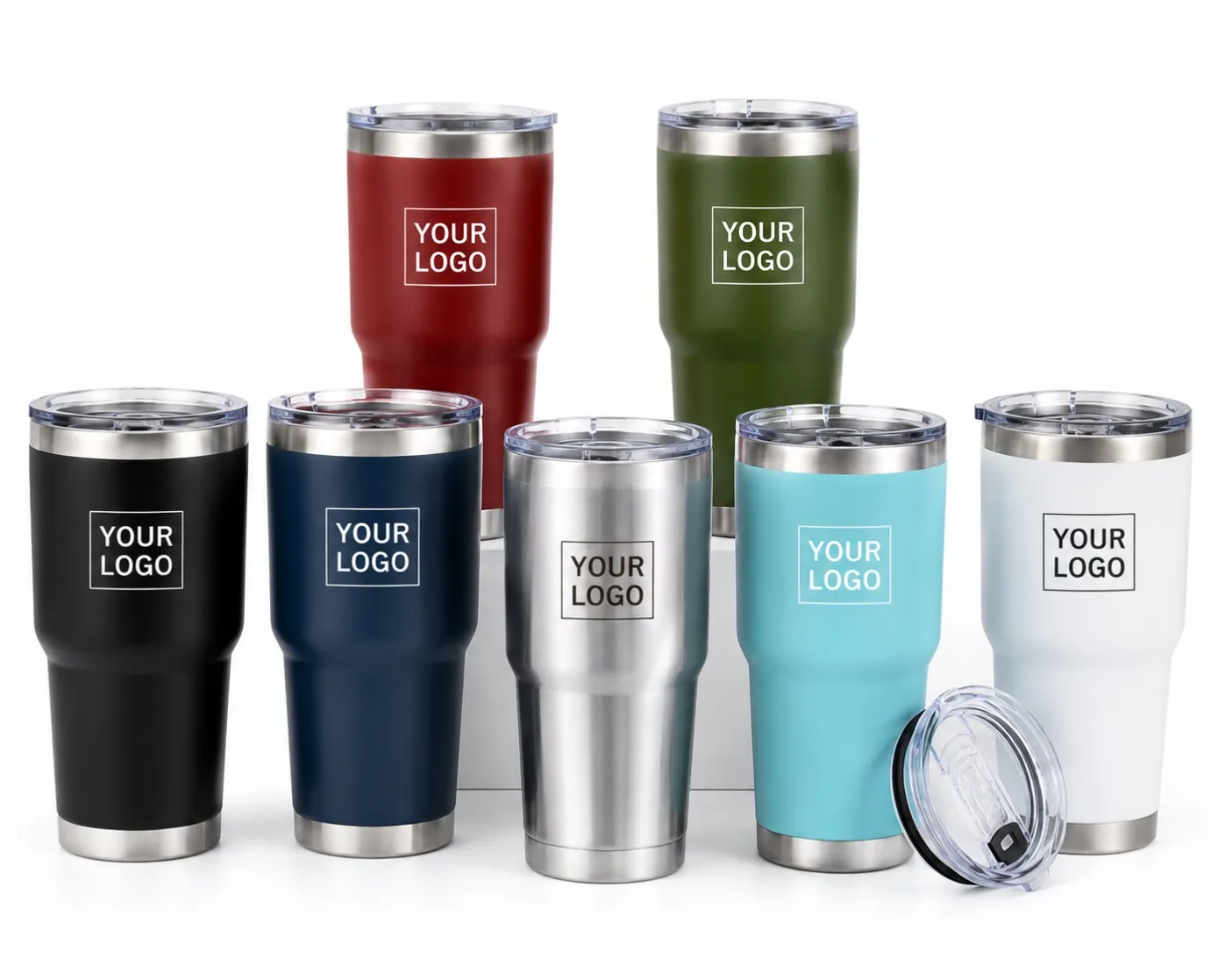
Stainless steel drinkware is a strong choice for client gifts, employee welcome kits and premium branded merchandise. Double-wall vacuum models can keep drinks hot or cold for hours, while the solid body gives the product a higher-value feel.
Best for:
• Executive and client gifts
• Employee onboarding kits
• Retail-style branded merchandise
• Programs where temperature retention matters
Before ordering, confirm:
• Stainless steel grade, especially the inner wall
• Single-wall or double-wall vacuum construction
• Lid structure and leak-resistance
• Coating type and available colors
• Whether dishwasher claims have been tested
• Finished unit weight and carton dimensions
Laser engraving creates a durable, understated logo. Screen printing and UV printing can provide stronger brand colors, depending on the surface finish.
Main trade-off: stainless steel usually costs more and weighs more than Tritan or aluminum, especially when vacuum insulation is required.
- Tritan: Best for Lightweight, Clear and Reusable Bottles
Tritan is a transparent, impact-resistant plastic commonly used for sports bottles and everyday hydration products. It is useful when buyers want the visual appeal of a clear bottle without using glass.
Best for:
• Sports and wellness campaigns
• Student and community events
• Staff hydration programs
• Lightweight reusable giveaways
Before ordering, confirm:
• Capacity and bottle dimensions
• Food-contact and BPA-free documentation for the destination market
• Recommended temperature range
• Lid material, seal and leak test
• Whether it is suitable for carbonated drinks
• Logo size and print position
Screen printing is common for simple logos. UV printing can support more detailed or full-color artwork on compatible surfaces.
Main trade-off: Tritan is lightweight and practical, but it does not provide the same premium feel or temperature retention as vacuum stainless steel.
- Aluminum: Best for Lightweight Event Giveaways
Aluminum bottles are light and cost-efficient for events, outdoor activities and larger promotional campaigns. Their low weight can also help reduce shipping cost when thousands of units are ordered.
Best for:
• Trade shows and mass giveaways
• Outdoor or travel campaigns
• Schools, clubs and community programs
• Projects with strict shipping-weight targets
Before ordering, confirm:
• Inner food-grade lining
• Single-wall construction and intended use
• Whether the model is suitable for hot drinks
• Surface finish and scratch resistance
• Cap material and leak-resistance
• Dent protection during packing and transport
Screen printing works well for bold logos, while laser engraving may be available on selected finishes.
Main trade-off: aluminum can dent more easily, and most promotional aluminum bottles are not designed for heat retention. Never assume a model is suitable for hot liquids without checking the specification.
Quick Material Comparison
Choose vacuum stainless steel when premium appearance, durability and temperature retention are priorities.
Choose Tritan when you need a clear, reusable and lightweight sports or everyday bottle.
Choose aluminum when low weight, larger event quantities and economical shipping are most important.
There is no single “best” material. The best material is the one that matches the user, campaign, budget and delivery plan.
What Buyers Should Include in an RFQ
To receive an accurate quotation, provide:
• Product type and preferred material
• Capacity, dimensions and color
• Order quantity and target delivery date
• Destination country or postal code
• Logo file, colors and preferred branding method
• Individual packaging requirements
• Required compliance documents
• Whether a pre-production sample is needed
Also ask the supplier to confirm the packed carton size, gross weight, production lead time and approved artwork before mass production. These details affect the real landed cost and reduce last-minute surprises.
A Practical Buying Tip
Do not approve a promotional bottle from a catalog image alone. Request the exact material specification, logo mockup and packaging details. For important projects, approve a physical sample or production sample before the full order begins.
View the Suoyi promotional products catalog:
https://www.suoyigroup.com/posts/suoyi-promotional-products-catalog-2026
Suoyi Group helps buyers compare materials, branding methods, packaging and shipping options for corporate gifts and promotional merchandise. Share your quantity, logo and delivery country, and we will recommend a practical option for your program.