Aug 7, 2026Buying Guides
How to Prepare Logo Artwork for Promotional Products
Learn how to prepare logo files for printing, engraving, embroidery, and other promotional product branding methods.
How to Prepare Logo Artwork for Promotional Products
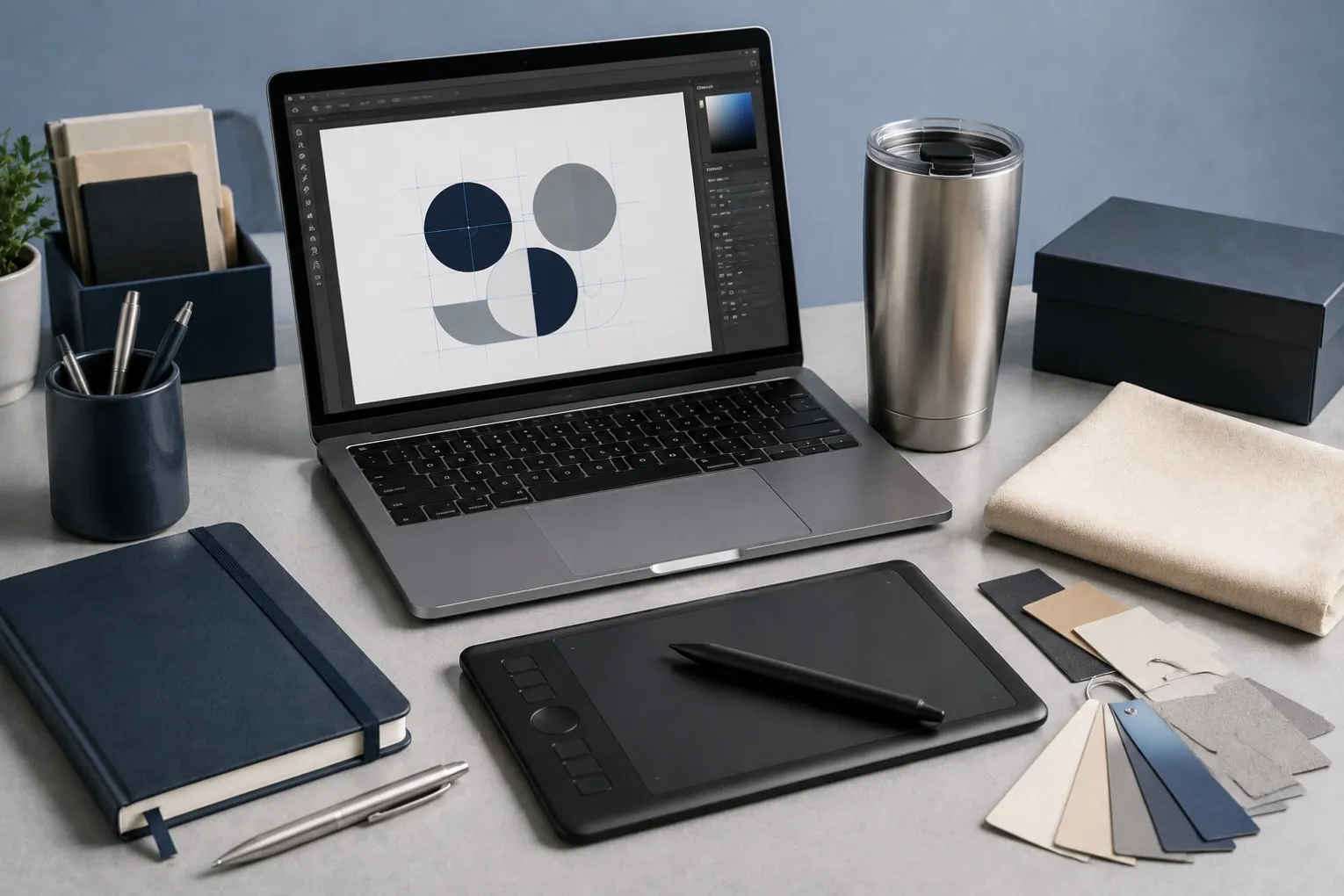
Good artwork preparation is an important part of any custom promotional product project. A clear, usable logo file helps the supplier evaluate decoration methods, confirm the branding area, and prepare the design for production.
The requirements can vary by product, but the following guidelines will help you prepare a stronger artwork package.
Why Artwork Format Matters
A logo displayed on a website may look sharp on a screen but still be unsuitable for production. Small JPEG or screenshot files often lack the detail needed for printing, engraving, embroidery, or large-format decoration.
Production artwork may need to be resized, separated by color, converted into paths, or adapted to a specific product surface.
Providing the original design file reduces unnecessary reconstruction and helps preserve the intended shape of the logo.
Vector and Raster Artwork
The two primary artwork types are vector and raster files.
Vector Artwork
Vector graphics are built from mathematical paths rather than pixels. They can be enlarged without becoming blurry.
Common vector formats include:
- AI
- EPS
- SVG
- Editable PDF
Vector files are generally preferred for logos, icons, line art, and typography.
Raster Artwork
Raster graphics are made from pixels. Common formats include:
- JPG
- PNG
- TIFF
- PSD
High-resolution raster files may be appropriate for full-color images, photographs, or certain printing methods. However, a small image copied from a website is rarely sufficient.
When providing raster artwork, send the highest-resolution original file available.
Convert Fonts to Outlines
If a logo contains text, the supplier may not have the same font installed. Missing fonts can cause letters to change when the file is opened.
Converting fonts to outlines turns the lettering into vector shapes and helps preserve the original appearance.
It is also useful to include the font name in your brand guidelines or artwork notes.
Provide Brand Color Information
If specific brand colors are important, include their reference values.
These may include:
- Pantone references
- CMYK values
- RGB values
- HEX codes
Colors can appear different across screens, printing processes, product materials, and surface finishes. A color reference provides a clearer starting point, but buyers should understand that exact appearance can still vary by material and decoration process.
Avoid Extremely Fine Details
Very thin lines, small text, tight gaps, and complex gradients may not reproduce well on every promotional product.
Before submitting the artwork, inspect:
- Minimum text size
- Thin outlines
- Small gaps
- Fine patterns
- Detailed shadows
- Transparent effects
- Complex gradients
Simplified artwork may be required for small branding areas or textured surfaces.
Prepare Different Logo Versions
A complete artwork package may include:
- Full-color logo
- Single-color logo
- Black logo
- White or reversed logo
- Horizontal version
- Stacked version
- Icon-only version
Different products may require different logo arrangements. A horizontal logo might work well on a pen, while a stacked logo could be more suitable for a tote bag or gift box.
Consider the Product Surface
Decoration results depend on the material, shape, texture, and available branding area.
Examples include:
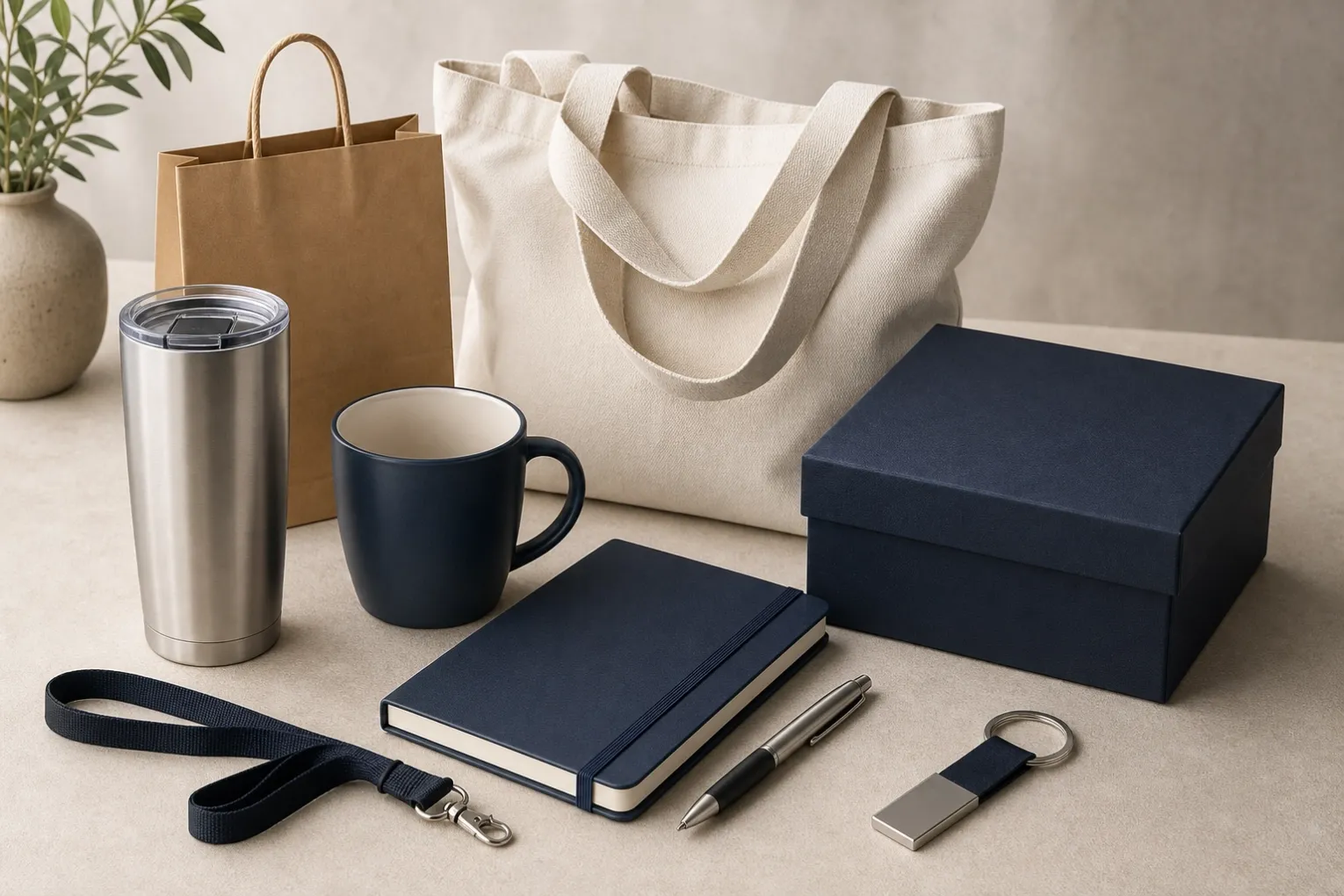
- Curved drinkware surfaces
- Textured canvas bags
- Small metal keychains
- Narrow lanyards
- Soft fabric products
- Paper packaging
- Notebook covers
Ask for the available branding area before finalizing the artwork placement.
Common Branding Methods
Depending on the product, possible methods may include:
- Screen printing
- Pad printing
- Digital printing
- Laser engraving
- Embroidery
- Embossing or debossing
- Heat transfer
- Labels or printed inserts
Not every method is available for every item. The supplier should review the artwork and selected product before recommending an option.
Information to Send with Your Artwork
Include the following when submitting a logo:
- Original artwork file
- Preferred logo version
- Brand color references
- Required print colors
- Preferred branding position
- Approximate logo size
- Product name or reference
- Quantity
- Intended use
- Any deadline requirements
Clear instructions reduce uncertainty and help the artwork review process move more efficiently.
Artwork Submission Checklist
Before sending your files, confirm that:
- The logo is supplied in the best available format
- Vector fonts have been converted to outlines
- Brand colors are identified
- Small details have been reviewed
- Multiple logo versions are available
- The preferred decoration position is stated
- The correct product is referenced
Discuss Your Branding Requirements
Suoyi Promotional Gifts can review branding requirements for custom drinkware, bags, stationery, lanyards, keychains, and corporate gift sets.
Send your product selection and available logo files so suitable decoration options can be reviewed for your project.