Aug 13, 2026Buying Guides
Why Employee Welcome Kits Feel Generic — and How to Fix Them
Employee welcome kits feel generic when they are built from a catalog instead of a clear plan. Here is how to make the item mix, branding, packaging, and delivery work together
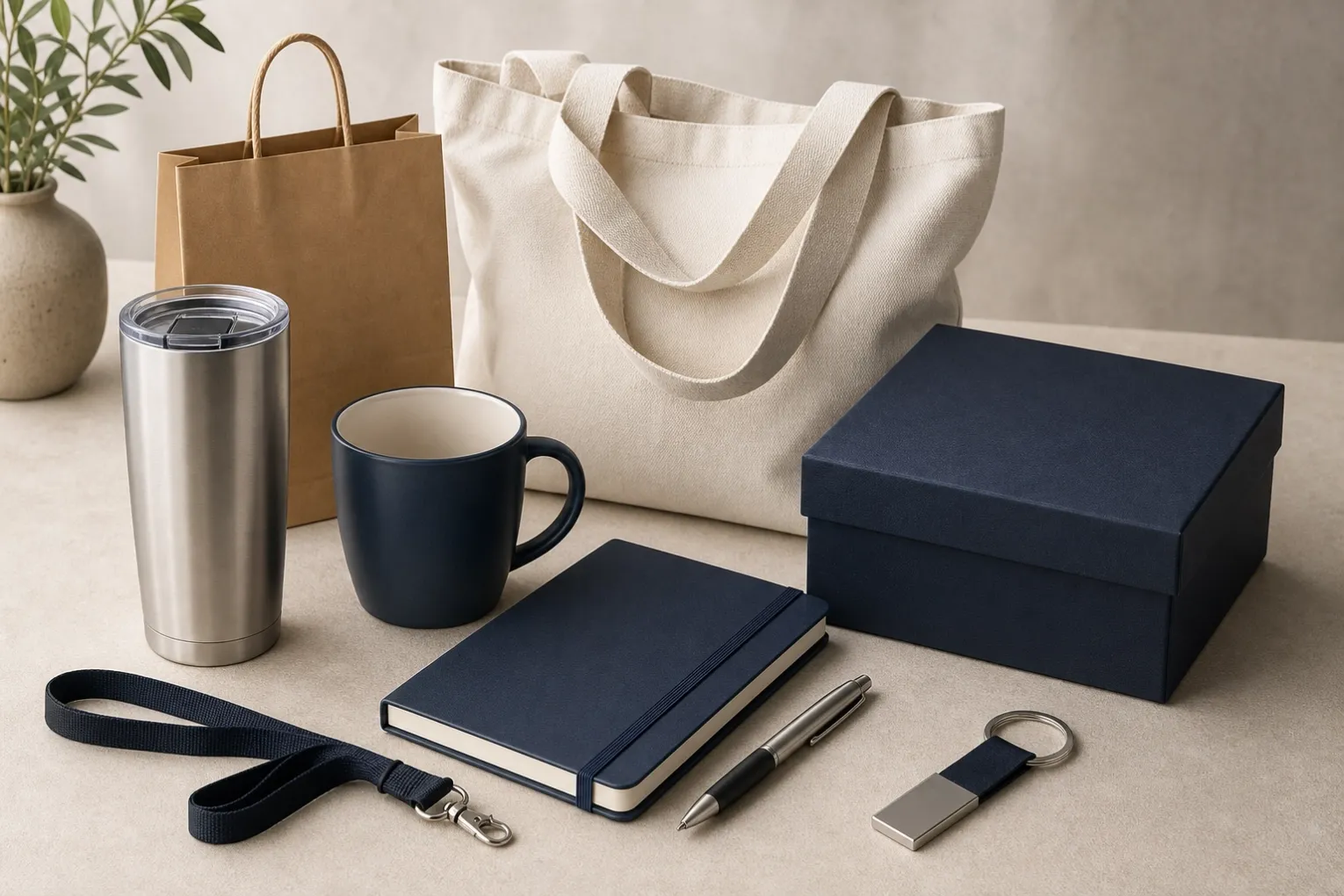
Employee welcome kits feel generic when they are assembled as a list of branded items instead of a useful first-day experience. A smaller set with a clear purpose usually works better than a box full of unrelated products.
For HR teams, marketing agencies, and corporate buyers, the job is to make the kit useful, consistent with the brand, and simple to distribute.
Start with the employee's first week
The best question is not “What merchandise can we add?” It is “What will this person use in the first week?”
For an office-based employee, a notebook, pen, coffee mug, tumbler, or lanyard may be practical. For a remote employee, a compact kit that ships safely and does not require sizing is often easier to manage. For field or event staff, the items should match their workday rather than a general office list.
Choose two or three useful products first. Add a welcome card or simple brand element after that. Every item should have a reason to be in the box.
Keep the kit visually consistent
Different products do not need the same color, but they should look like they belong together. Use a small color palette and decide where the logo should be visible and where it should be subtle.
A matte tumbler, navy notebook, natural canvas tote, and simple printed card can work together. A mix of unrelated colors, oversized logos, and different print styles usually looks like leftover merchandise.
Before production, review the complete kit in one proof or physical sample. This is the easiest way to catch inconsistent logo size, poor color contrast, and packaging that does not match the products.
Do not overload the box
More items do not automatically create more value. Small items that are not useful often remain in the box or get discarded.
A practical kit often has:
- One main everyday item, such as drinkware or a tote bag
- One work item, such as a notebook and pen
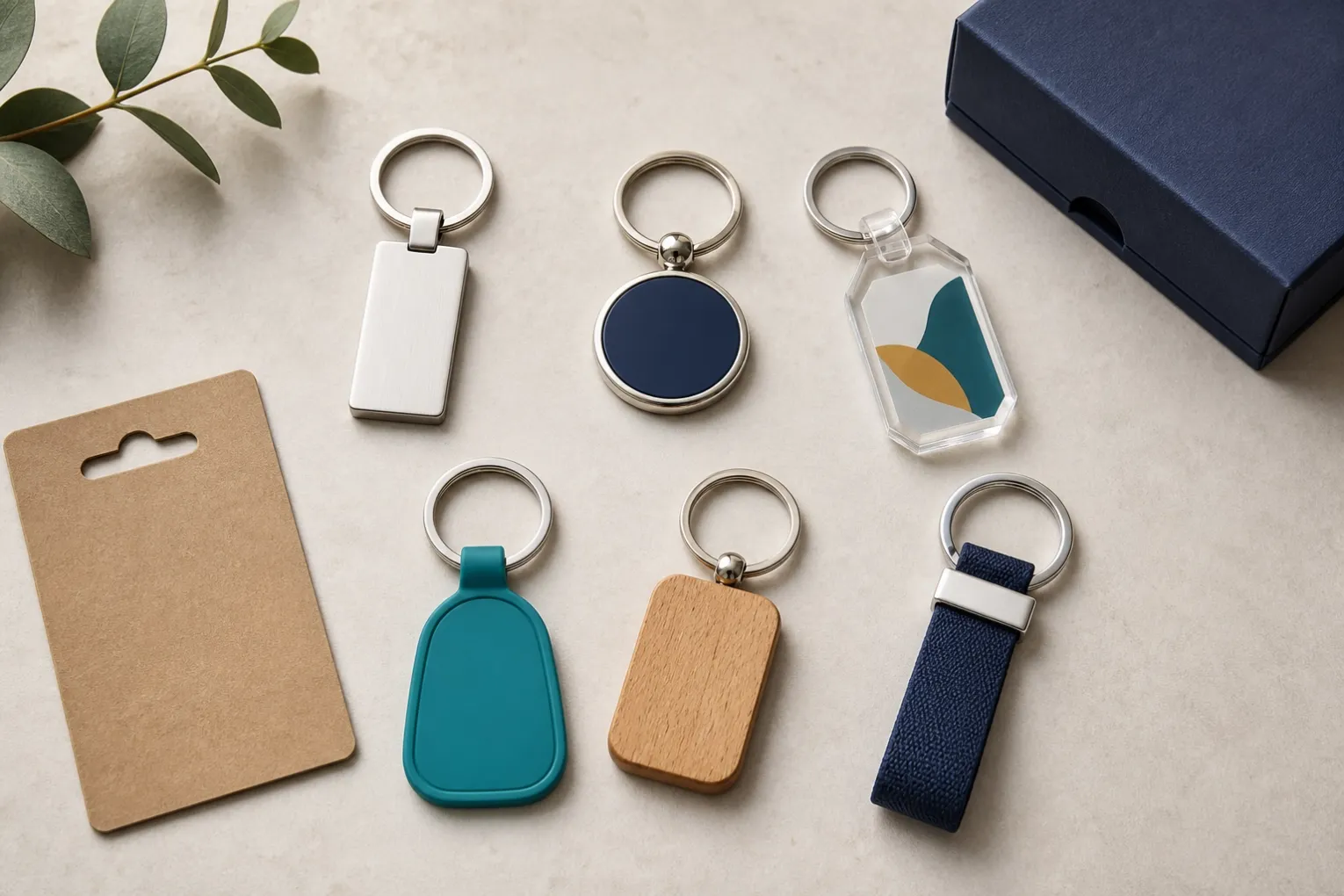
- One access or travel item, such as a lanyard or keychain
- A welcome note or small information card
The mix can change by role, location, and budget. The point is to keep it focused.
Plan packaging early
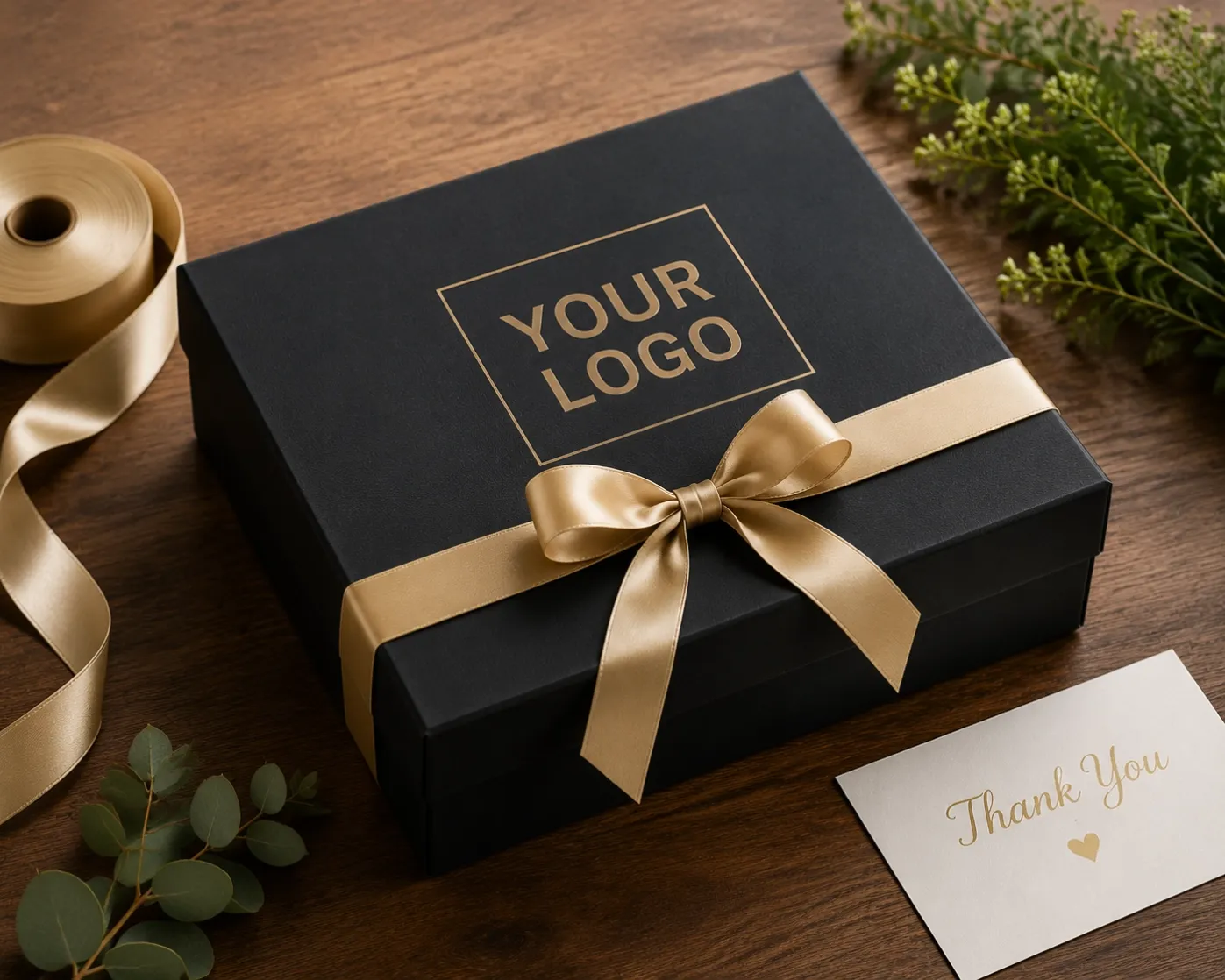
Packaging is not just decoration. It affects product fit, assembly, carton size, freight, and the condition in which the kit arrives.
Decide early whether the kit will be handed out in an office, shipped to home addresses, or delivered to an event. A rigid gift box may suit a client or executive program. A tote bag or simple mailer may suit a larger employee rollout.
Confirm the size of the actual packed products before approving an insert or box. A tumbler, mug, or boxed product can change the internal layout quickly.
Treat remote and office employees differently
One kit can work for everyone only when the delivery method is simple. Remote teams need a plan for individual addresses, shipping labels, and safe packing. Office teams may need sorting by department, start date, or location.
Avoid personalizing names or apparel until you have a clean, approved data file. Variable details should be checked before production and packed in a way that makes distribution easy.
Set the schedule from the arrival date
New-hire kits lose some of their value when they arrive weeks after the first day. Work backward from the date the kit must reach the employee or office.
Allow time for product selection, artwork review, proof approval, packing, and shipping. If the start dates are uncertain, choose products and packaging that can be reordered or adapted without rebuilding the whole kit.
What to send when requesting a quote
Provide these details to get useful options:
- Who will receive the kit and how it will be used
- Estimated quantity and delivery locations
- Preferred product categories
- Brand colors and logo files
- Packaging or card requirements
- Required arrival date
- Any sorting, labeling, or individual shipping needs
Suoyi Promotional Gifts can review drinkware, bags, stationery, lanyards, keychains, and coordinated corporate gift sets for employee programs. The right combination depends on the project rather than a fixed kit template.
FAQ
How many items should an employee welcome kit include?
Usually two to four useful items are enough. Start with the employee's role and delivery method, then add only items that support the plan.
Should every item have a large logo?
No. One visible branded item plus subtle decoration or branded packaging often feels more considered than putting a large logo on everything.
When should we start sourcing a welcome kit?
Start once the required arrival date, quantity, logo, and delivery method are known. The supplier can then check suitable products, packaging, and production timing for the actual project.
Build the kit around a real first day
The strongest employee welcome kits are useful, coordinated, and delivered when they matter. Start with the recipient, keep the product mix tight, and review the full set before placing the order.
View custom promotional product options or send your employee kit requirements with the products, quantity, logo, packaging, destination, and required date.