Aug 7, 2026Buying Guides
How to Plan a Custom Promotional Gift Project
Learn how to plan a custom promotional gift project, from choosing products and quantities to preparing artwork, packaging, and delivery requirements.

How to Plan a Custom Promotional Gift Project
A successful promotional gift project begins long before a logo is printed on a product. Clear planning helps buyers compare suitable options, communicate with suppliers, and reduce avoidable revisions.
Whether you are preparing employee welcome gifts, trade show giveaways, client appreciation items, or merchandise for a corporate event, the following steps can help you organize your requirements.
1. Define the Purpose of the Project
Start by identifying why the promotional products are needed.
Common applications include:
- Corporate events and conferences
- Employee onboarding
- Client appreciation
- Trade shows and exhibitions
- Retail promotions
- Seasonal gifting
- Internal company programs
- Branded merchandise campaigns
The intended use affects product selection. A lightweight giveaway may be suitable for a large event, while an employee gift set may require more coordinated presentation and packaging.
2. Identify the Target Recipient
Consider who will receive the product. A gift for employees may differ from an item intended for distributors, conference visitors, or senior clients.
Useful questions include:
- Who is the recipient?
- Where will the product be used?
- Does it need to be carried or shipped?
- Is it intended for everyday use or a specific event?
- Should multiple products be combined into a gift set?
Understanding the recipient helps narrow the product category, design, and presentation.
3. Choose a Product Category
Select a category that supports the purpose of the campaign.
Popular options include:
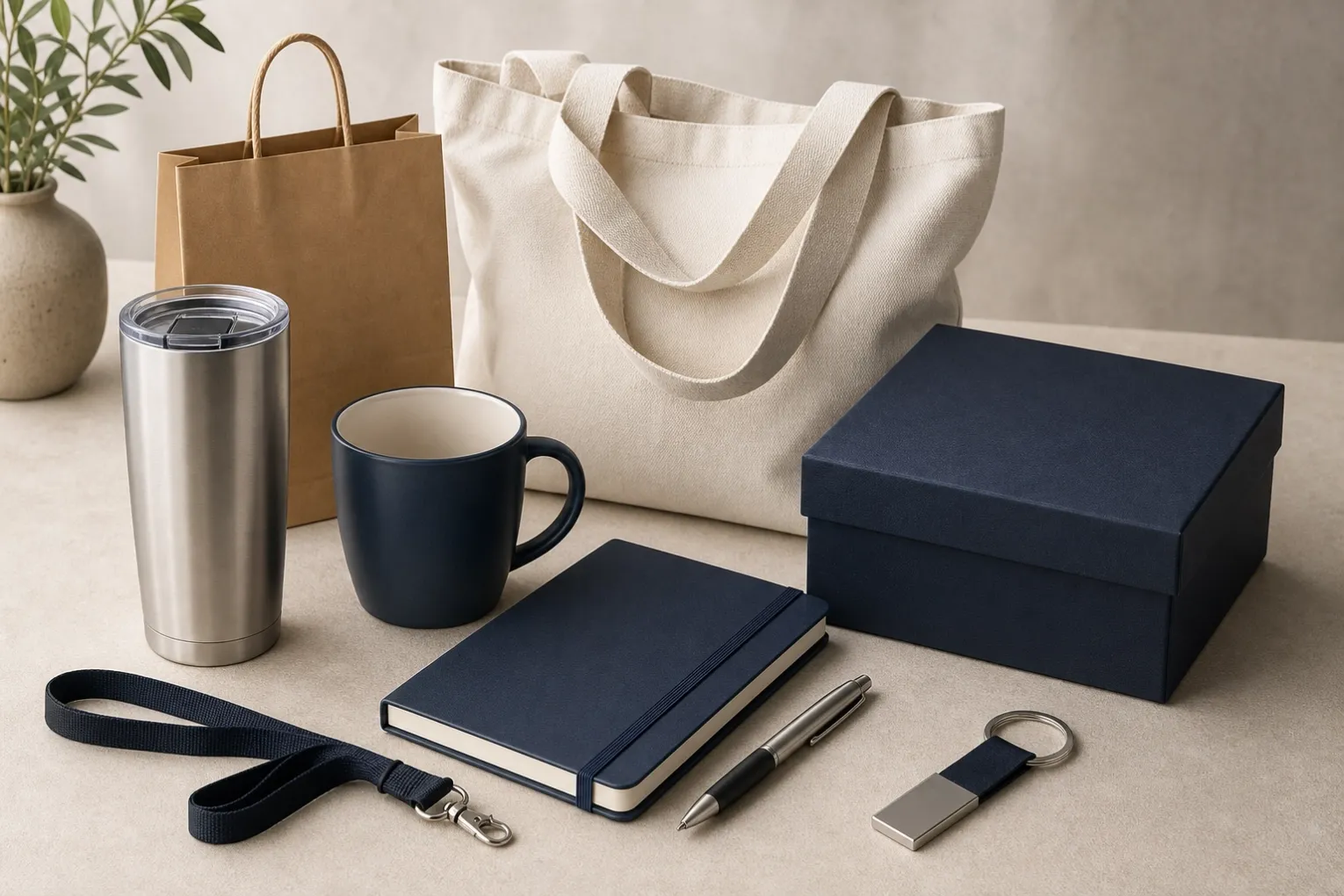
- Stainless steel tumblers and water bottles
- Coffee mugs and travel cups
- Canvas tote bags and paper bags
- Backpacks and drawstring bags
- Lanyards and keychains
- Notebooks, pens, and stationery
- Coordinated corporate gift sets
If you are unsure which item to choose, provide the supplier with your intended application and target recipient. This allows them to recommend relevant options instead of presenting an unfocused catalog.
4. Establish the Required Quantity
Provide an estimated quantity as early as possible. Product availability, decoration methods, packaging, and pricing can vary according to order volume.
If the final number is not confirmed, provide a realistic range. For example, asking for options based on 500–1,000 pieces is more useful than requesting a quotation without any quantity information.
Different products may have different minimum order requirements, so quantities should be reviewed for each item.
5. Prepare Your Branding Requirements
Explain how the product should represent your brand.
Include:
- Logo artwork
- Preferred decoration position
- Approximate logo size
- Brand colors
- Required number of print colors
- Any campaign message or event information
- Packaging or presentation preferences
The most suitable decoration method depends on the product material, surface, artwork, and intended result.
6. Confirm Packaging Needs
Packaging can affect presentation, shipping volume, and project cost. Determine whether the products need:
- Standard individual packaging
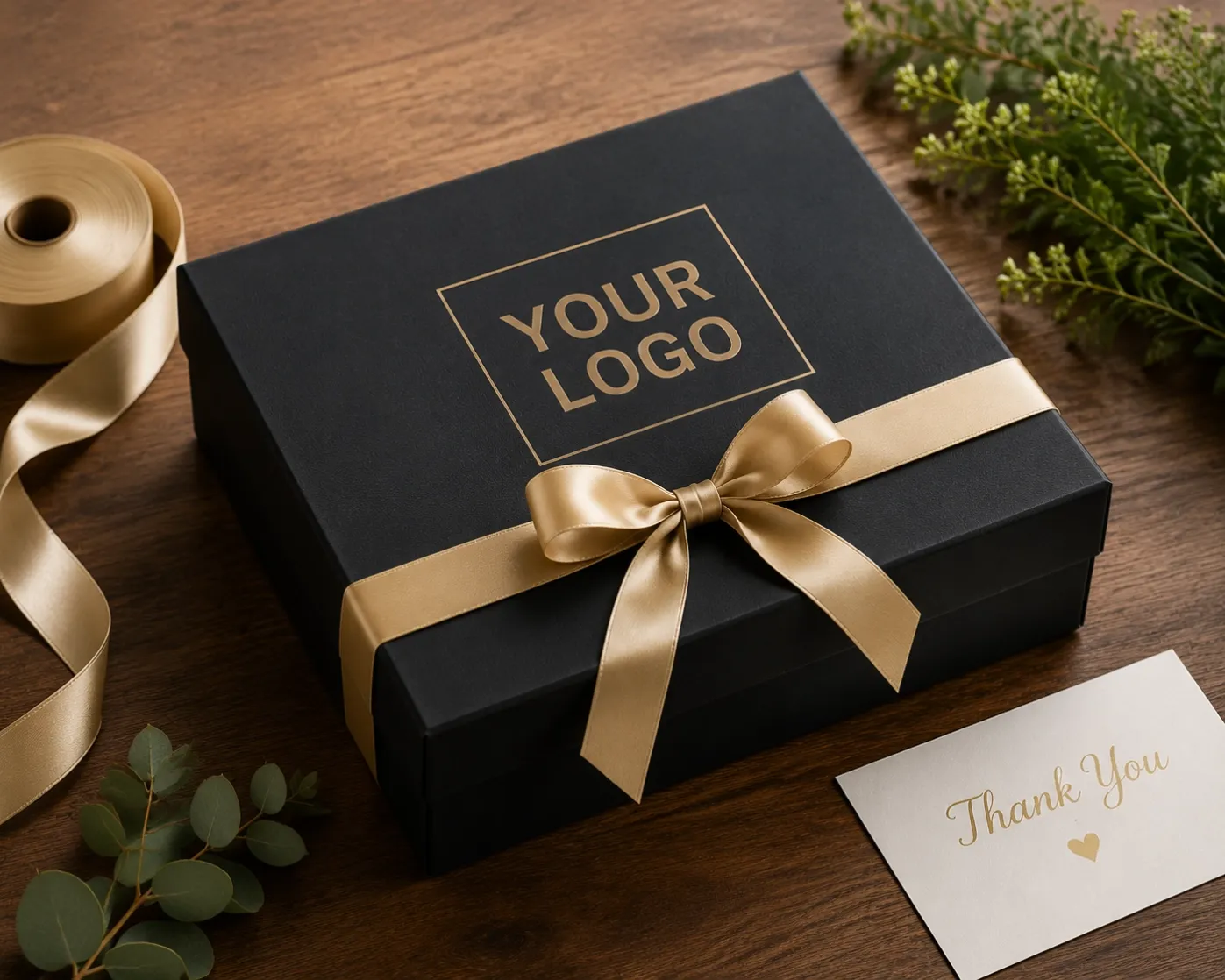
- Gift boxes
- Product sets
- Printed packaging
- Inserts or cards
- Retail-ready presentation
- Shipping directly to an event or warehouse
Discuss these requirements before confirming the project rather than treating packaging as a final addition.
7. Provide the Delivery Destination and Required Date
Suppliers need the destination to assess delivery requirements. Provide the country, city, postal code, and expected arrival date when requesting a quotation.
Allow time for:
- Product selection
- Artwork review
- Sample or proof review, when applicable
- Production
- Quality inspection
- Packaging
- International or domestic delivery
Avoid planning only around the event date. Products should arrive early enough for receiving, inspection, and distribution.
8. Request a Complete Project Quotation
A useful quotation should clearly identify the product, quantity, decoration requirements, packaging, and delivery terms.
Review:
- Product specifications
- Included accessories
- Branding method
- Packaging format
- Quantity
- Commercial terms
- Estimated schedule
- Delivery destination
- Quotation validity
Compare quotations based on the complete project scope, not only the unit price.
Final Project Checklist
Before contacting a supplier, prepare:
- Product category
- Intended use
- Target recipient
- Estimated quantity
- Logo artwork
- Branding preferences
- Packaging requirements
- Delivery destination
- Required arrival date
- Budget range, if available
Clear project information allows both the buyer and supplier to work more efficiently.
Request Product Options
Suoyi Promotional Gifts supplies custom drinkware, bags, stationery, lanyards, keychains, and corporate gift sets for business programs and promotional campaigns.
Share your product, quantity, branding, packaging, and destination requirements to request suitable options for your project.