Sep 20, 2026
Ordering 100 Branded Tumblers: 12 Buyer Questions on Logo, Samples, Packing and Shipping
Answers to 12 practical questions buyers ask before ordering 100 branded tumblers, including MOQ, logo methods, samples, packing, inspection, pricing and shipping.
Ordering 100 Branded Tumblers: 12 Buyer Questions on Logo, Samples, Packing and Shipping
A 100-piece branded tumbler order sounds simple: select a cup, add a logo and arrange delivery. In practice, buyers must confirm the material, lid, surface finish, branding method, sample, packaging, inspection and shipping data before the order is safe to approve.
This FAQ is designed for employee onboarding, client appreciation, conferences, dealer incentives and other small corporate gift programs.
- Is 100 Pieces a Realistic MOQ for Branded Tumblers?
For selected standard tumbler models, colors and simple logo applications, an order of approximately 100 units may be possible. The final minimum order quantity depends on the model, surface finish, logo method, number of print colors and packaging.
Custom colors, new molds, complex printing or fully customized boxes may require a higher quantity. Buyers who need a smaller first order should start with a stocked color, one logo position and standard packaging.
- Which Tumbler Details Should Be Confirmed Before Pricing?
A product photo is not a complete specification. Ask the supplier to confirm:
- Capacity and overall dimensions
- Body material and construction
- Inner and outer surface finish
- Lid material and opening style
- Product weight
- Available standard colors
- Individual packaging
- Branding area
- Units per carton
- Carton dimensions and gross weight
Two tumblers that look similar online may differ in steel thickness, lid design, weight, finish and packing volume. These differences affect price, perceived quality and freight.
- Which Logo Method Should We Use?
The most suitable method depends on the logo, surface and desired appearance.
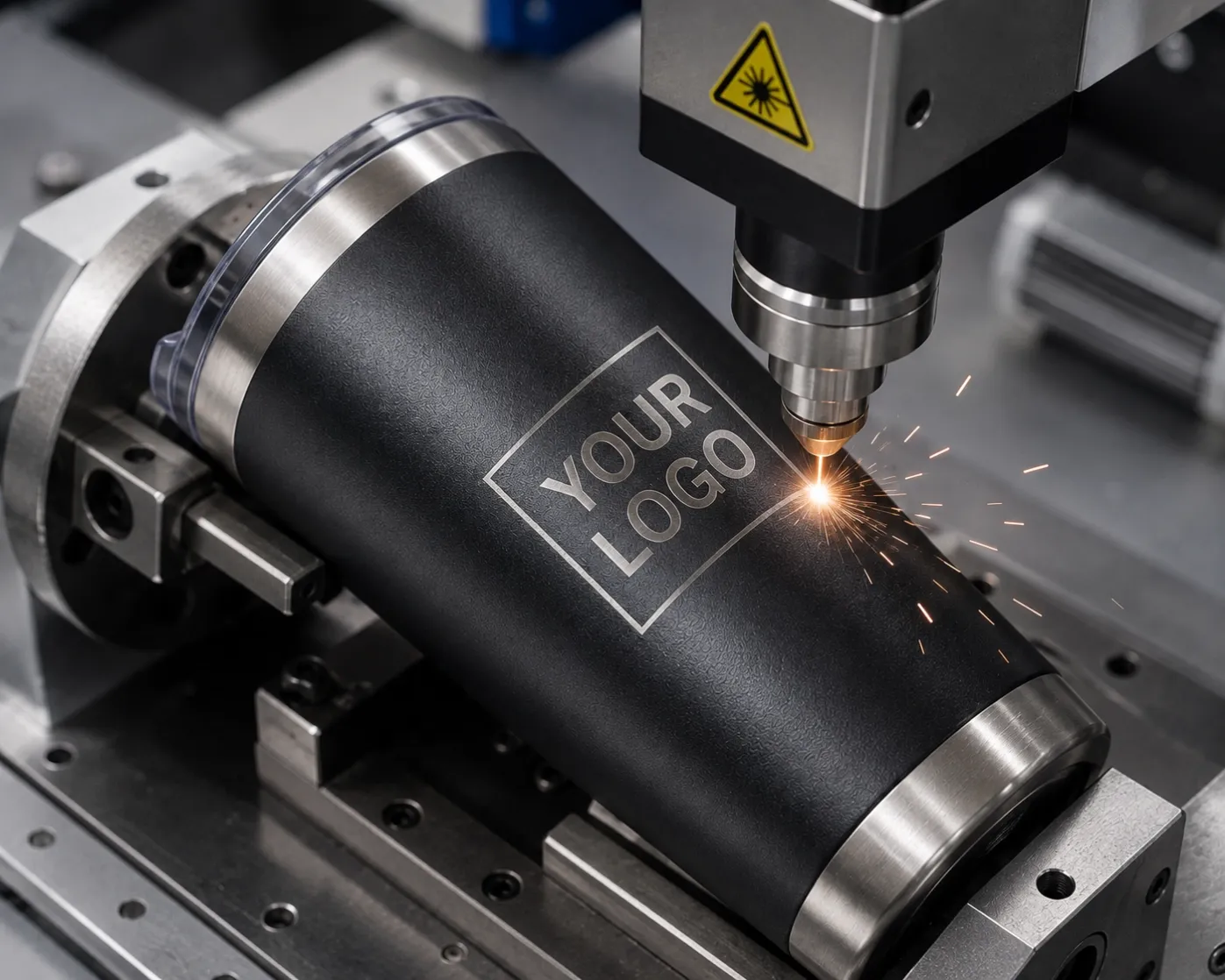
Laser engraving:
Creates a clean and durable result on suitable metal surfaces. It is often effective for restrained corporate branding and does not rely on printed ink color.
Screen printing:
Works well for simple artwork and strong solid colors. The supplier should confirm the available print area and whether the coating is suitable.
UV printing:
Can reproduce detailed, multi-color artwork on compatible surfaces. Buyers should review adhesion, color and abrasion expectations.
A supplier should recommend a method after reviewing the actual logo file and selected tumbler finish. Do not choose a process based only on a catalog label.
- What Artwork File Does the Supplier Need?
Vector artwork is preferred because it can be resized without losing quality. Common useful formats include AI, EPS, SVG or an editable PDF.
The artwork approval should record:
- Logo width and height
- Print or engraving position
- Orientation when the tumbler is held
- Brand color reference, if applicable
- White-underprint requirements for color printing
- Whether the logo appears on one side or two sides
A digital mockup is useful for layout, but it does not prove the final surface color, engraving contrast or print adhesion.
- Should We Order a Sample?
A sample is recommended when the product feel, lid fit, finish, logo color or packaging will affect approval.
There are three common sample stages:
Stock sample:
Checks the base product, material, size, lid and general construction.
Branded sample:
Checks the actual logo method, position, scale and visual contrast.
Pre-production sample:
Confirms the final combination of product, artwork and packaging before mass production.
For a repeat order using an unchanged specification, detailed records and an approved reference sample can reduce the need to repeat every stage.
- What Should Be Checked on the Lid?
The lid affects the customer experience more than many buyers expect. Confirm:
- How the drinking opening works
- Whether the lid is press-fit, threaded or otherwise secured
- Whether removable parts can be cleaned
- Whether the supplier describes it as splash-resistant or leak-resistant
- The correct position of seals or gaskets
- Whether replacement lids are available
Avoid describing a tumbler as leakproof unless the selected design and test standard support that claim. For promotional orders, request a practical lid and leakage inspection procedure where applicable.
- How Should 100 Tumblers Be Packed?
Individual packaging may include a protective sleeve, white box, kraft box or printed gift box. The choice should reflect the distribution method.
For handout at an office or event:
A standard individual box may be sufficient.
For courier delivery to individual recipients:
Additional protection may be needed around the tumbler and lid.
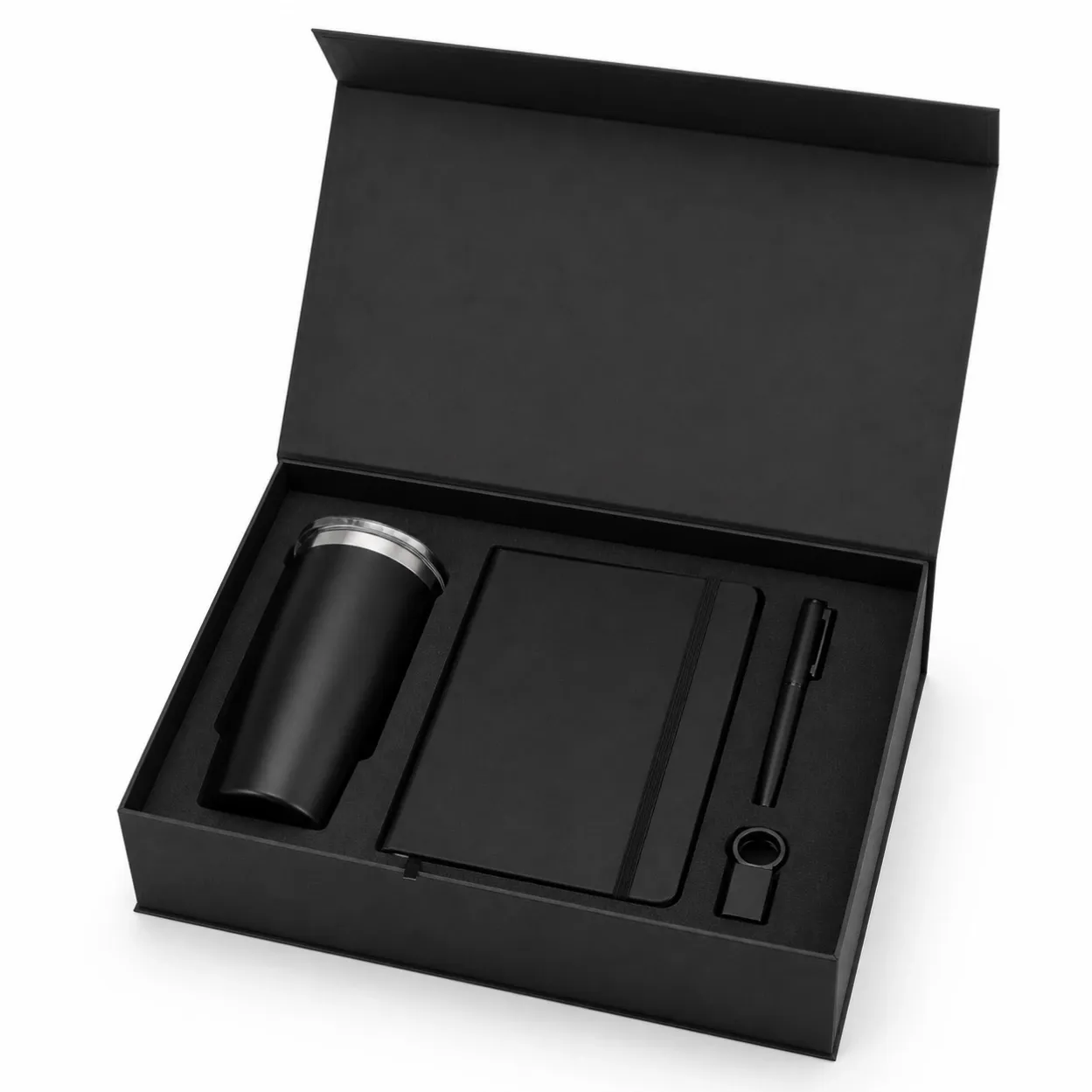
For a mixed gift set:
Confirm the tumbler dimensions before creating the insert. Review one fully assembled kit to make sure the logo faces the correct direction and the product cannot move excessively.
Ask for final carton data after the individual package is approved, because packaging changes can alter freight volume.
- What Quality Checks Should Be Included?
A practical pre-shipment inspection can cover:
- Correct model, color and quantity
- Surface dents, scratches and coating defects
- Lid fit and component condition
- Logo size, position and clarity
- Engraving contrast or print adhesion
- Individual box condition
- Carton quantity and markings
- Random functional or leakage checks where applicable
The purchase specification should define what is acceptable before production. A general instruction such as good quality is difficult to inspect consistently.
- How Should Price Breaks Be Compared?
Request the same information for each quantity level. A useful quotation separates:
- Product unit price
- Logo application cost
- Setup charge
- Sample cost
- Individual packaging cost
- Gift-box or insert cost
- Inspection or assembly cost if applicable
- Trade term
- Quotation validity
Ask for more than one quantity level when the program may grow. For example, compare the planned first order with the likely reorder quantity. This shows whether the model remains practical for a longer-term program.
- How Long Does Production Take?
Production time begins after the required approvals, not necessarily on the day the first inquiry is sent.
A realistic schedule includes:
- Product selection
- Formal quotation
- Artwork confirmation
- Sample preparation
- Sample approval
- Material preparation
- Mass production
- Inspection
- Packing
- Handover to the freight forwarder
If the tumblers are needed for a fixed event, give the supplier the required arrival date. The schedule must also allow for international transport, customs procedures and final delivery.
- What Shipping Information Does a Freight Forwarder Need?
Request:
- Number of cartons
- Units per carton
- Carton dimensions
- Net and gross weight
- Total shipment volume
- Pickup location
- Trade term
- Destination city and postal code
- Required arrival date
Do not estimate freight using only the number of tumblers. A gift box can increase the shipment volume substantially. Current rates and import requirements should be confirmed by the buyer’s freight forwarder for the final route.
- How Can Future Reorders Be Made Easier?
Create a simple approved specification containing:
- Product name and code
- Capacity and material
- Approved color
- Logo file and dimensions
- Logo method and position
- Individual packaging
- Carton details
- Inspection points
- Approved sample photos
- Reorder MOQ and lead time
Ask the supplier to notify the buyer before substituting a material, lid, coating, package or production method. Even a small unapproved change can make a new batch look different from the original order.
A Practical Inquiry Template
To receive a useful quotation, send:
Product: Vacuum-insulated stainless steel tumbler
Quantity: 100 units
Use: Employee welcome kit or client gift
Color: Preferred standard color
Logo: Vector artwork attached
Branding: Supplier recommendation requested
Packaging: Individual box or mixed gift set
Destination: Country, city and postal code
Required arrival date: Exact date
Sample: Stock or branded sample required
Quotation: Product, branding, packaging and carton details shown separately
Final Takeaway
Before approving 100 branded tumblers, the buyer should be able to answer four questions: Is the product specification clear? Is the logo method appropriate? Will the packed product survive distribution? Can the order be inspected and repeated consistently?
When these points are confirmed, a small promotional order becomes easier to price, approve and reorder.
Explore practical drinkware and other promotional products at https://www.suoyigroup.com/products. For a quotation, share the quantity, logo file, preferred color, packaging requirements, destination and required arrival date.