Oct 29, 2026
Logo Proof vs Pre-Production Sample: What to Check for 5 Promotional Gift Categories
A buyer checklist for approving logo proofs, physical samples and packaging across drinkware, creative gifts, plush toys and electronic products.
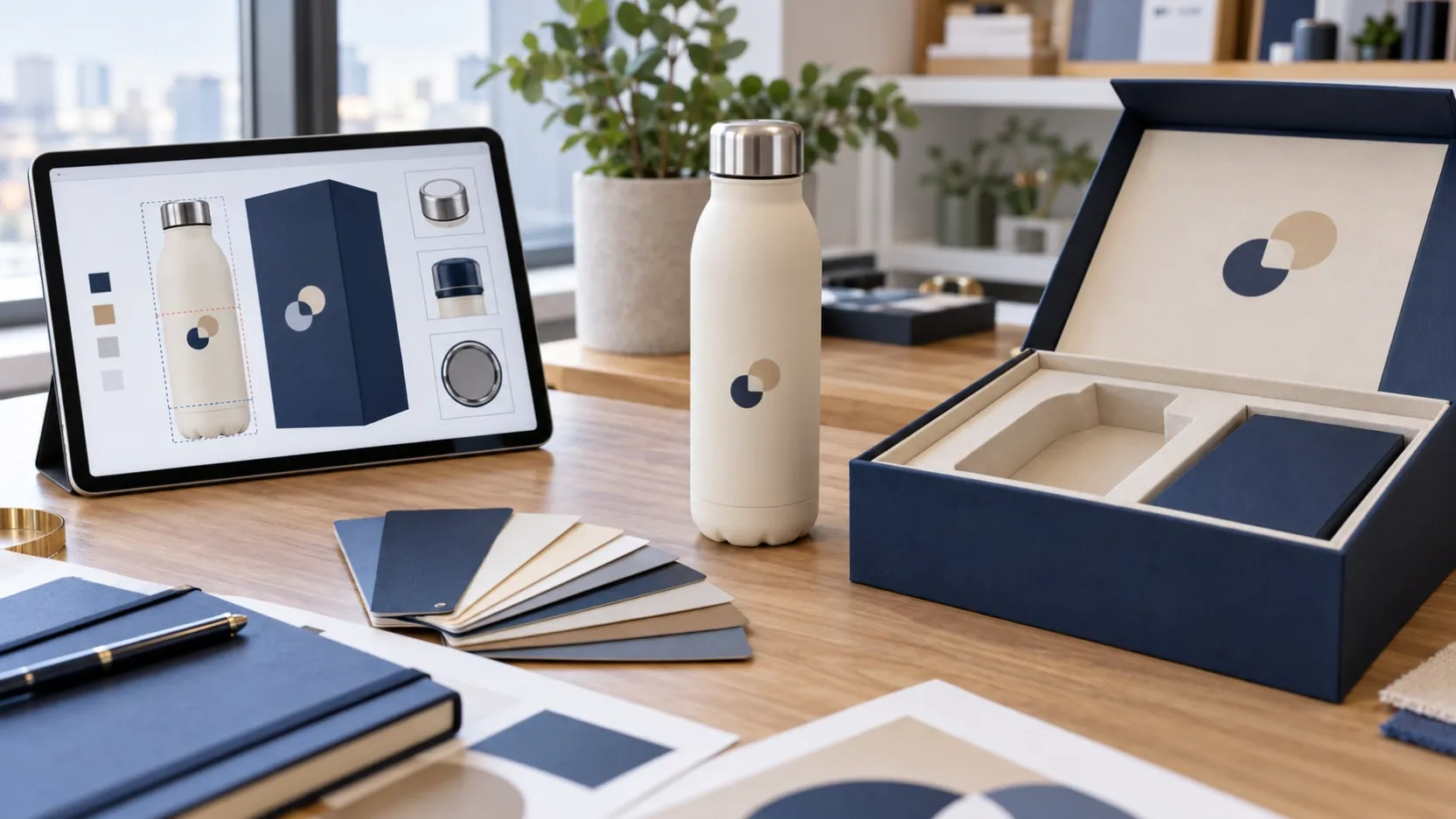
A digital logo proof is useful, but it is not the same as a physical pre-production sample.
The proof shows how the artwork should look. The sample shows how the finished product actually feels, functions and presents the brand. For promotional gifts, buyers should approve both at the correct stage.
What a Digital Logo Proof Can Confirm
A logo proof should confirm:
• logo size and position
• print or embroidery area
• artwork orientation
• the number of logo colors
• the product color selected
• the expected packaging layout
The proof is the right place to correct a logo that is too small, placed too close to an edge or facing the wrong direction.
However, a screen image cannot fully confirm the final color, texture, print coverage or product quality.
What a Pre-Production Sample Can Confirm
A physical sample helps the buyer check:
• actual product material and color
• logo sharpness and color
• print adhesion or embroidery quality
• product dimensions and weight
• function and assembly
• packaging fit and presentation
If the order has a fixed event date, sample approval should be included in the production timeline. Mass production should start only after the agreed details are recorded.
- Water Bottles and Tumblers
Drinkware often has curved surfaces, coated finishes and several possible logo positions.
Check the following on the sample:
• whether the logo appears straight on the curved body
• the distance between the logo and the bottom or lid
• print color against the bottle color
• whether the coating changes the logo appearance
• lid fit, opening action and basic leak testing
• individual box size and protection
Laser engraving, screen printing and UV printing can produce different results on the same bottle. The approval record should name the selected method, not only say “add logo.”
- Vintage Mini Cameras and Creative Keychains
Small creative products can have limited branding areas and fine details.
For a vintage mini camera, confirm the control buttons, charging port, accessories and basic function. For a keychain, check the ring, connector, edges and moving parts.
Also review:
• whether small logo lines remain clear
• whether the logo is readable at the approved size
• whether metal or plastic parts scratch easily
• whether the product moves inside the box
• whether the color and shape match the approved reference
A large digital artwork may look clear on screen but lose detail when reduced to a small keychain.
- Teddy Bears and Customized Plush Toys
Plush products require more than a flat artwork approval.
The sample should confirm:
• fabric type and softness
• body shape and proportion
• stuffing level
• embroidery color and density
• the position of eyes, nose and accessories
• attached clothing or tags
• finished product size
If the plush toy includes a custom T-shirt, scarf or label, approve those parts separately. Small changes in embroidery position can change the expression of the toy, so front, side and back photos should be included in the approval record.
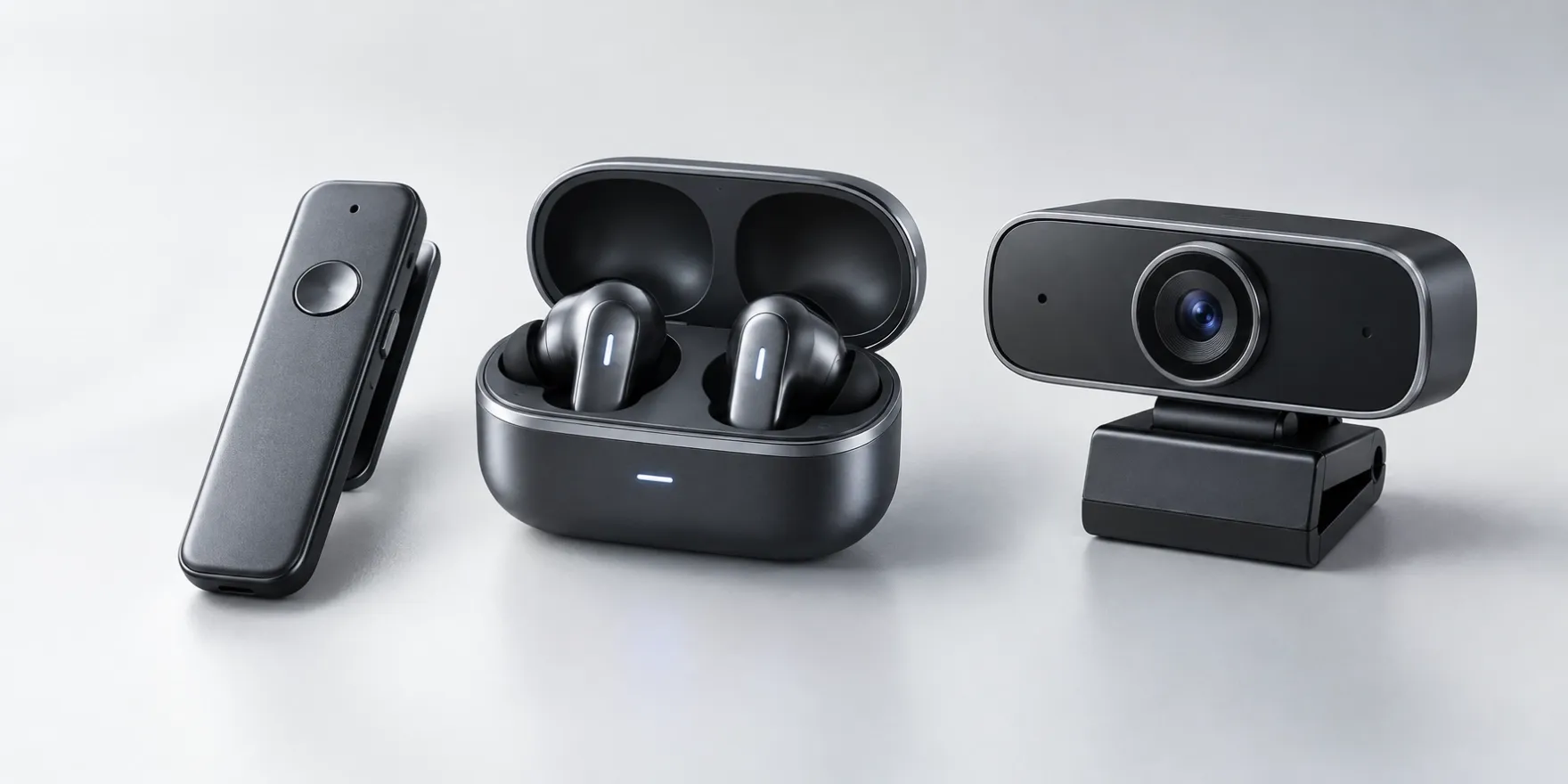
- Bluetooth Earphones and Electronic Gadgets
Electronic promotional gifts need both branding approval and function checks.
Before production, confirm:
• device color and logo position
• charging connector and included cable
• basic charging and connection performance
• button or touch-control operation
• accessory list
• protective packaging
• label and documentation requirements for the destination market
The logo may be correct while the accessory set or packaging is incomplete. Use one checklist that covers the product, accessories and box together.
- Other Promotional Gifts and Innovative Products
Innovative products do not always fit a standard inspection list. The buyer and supplier should define the important functions before sampling.
Ask three simple questions:
• What must the product do?
• Which detail represents the brand?
• What failure would make the product unusable for the campaign?
Then turn the answers into a short sample checklist. For example, a foldable product may need hinge testing, a magnetic item may need holding-force checks, and a gift set may need a final packing layout.
Packaging Approval Matters Too
A good product can still arrive poorly presented if the packaging is approved too late.
Check:
• product fit inside the insert
• protection against scratches and movement
• box color and surface finish
• logo position on the lid or sleeve
• labels, barcodes and carton marks
• quantity per carton
• carton dimensions and weight
For gift sets, request a photo of the complete packed set before the full quantity is assembled.
A Simple Buyer Approval Record
Keep one written record containing:
• approved product model
• approved color
• approved logo file
• branding method
• logo size and position
• sample photos
• packaging method
• accessories included
• approval date
• name of the person approving
Avoid approving important changes only through short messages such as “looks good.” A clear record protects both buyer and supplier when several products are produced together.
Final Checklist Before Mass Production
Before giving final approval, confirm:
• Is the product model correct?
• Is the physical color acceptable?
• Is the logo size and position correct?
• Is the branding method recorded?
• Does the product function as expected?
• Are all accessories included?
• Is the packaging complete and protective?
• Are shipping labels and carton details confirmed?
• Has the delivery timeline been updated after sample approval?
For a quotation or a sample plan, send us the product category, quantity, logo file, target budget, destination and required delivery date at https://www.suoyigroup.com/contact-us